

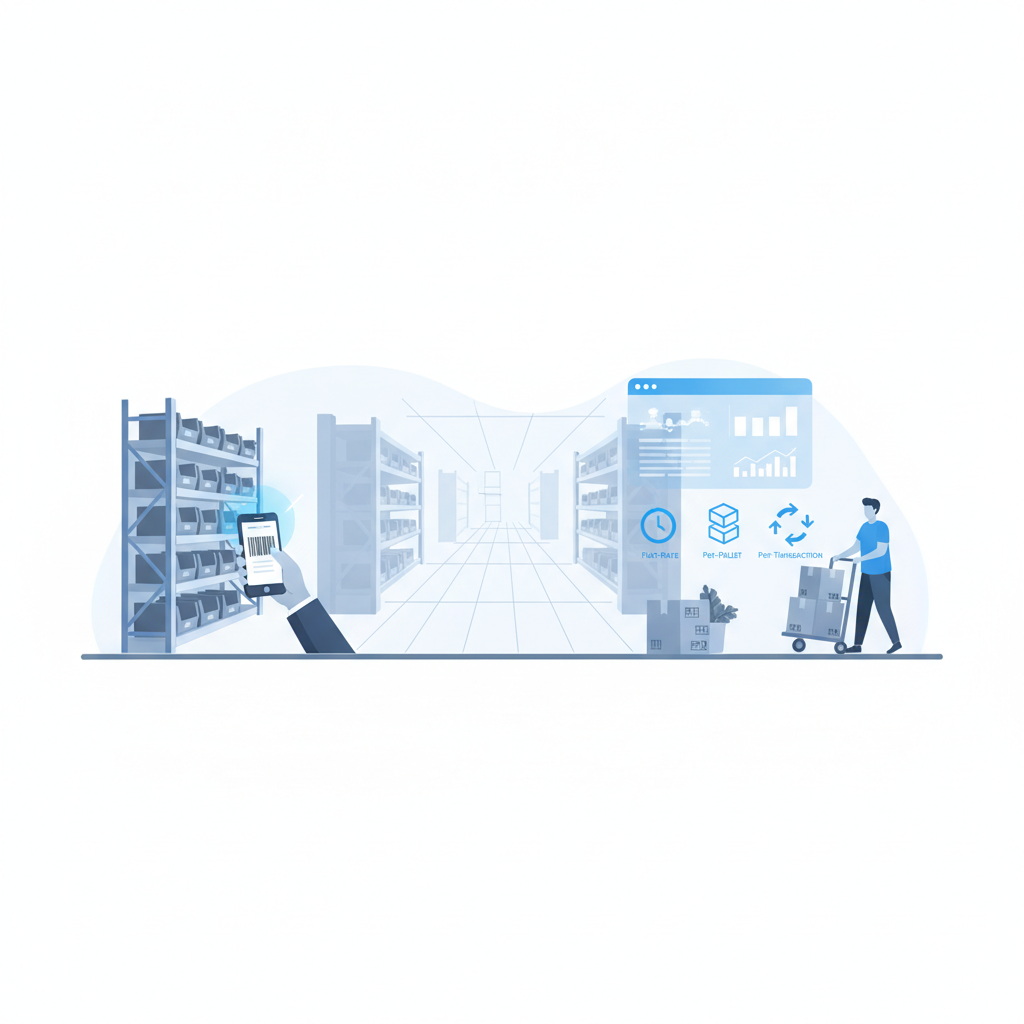
3PL Per-Customer Invoicing Models: Flat-Rate, Per-Pallet, and Per-Transaction Billing
Flat-rate, per-pallet, and per-transaction billing each solve a different 3PL problem. Here is how to pick a model, defend it with data, and avoid the invoicing disputes that cost client trust.
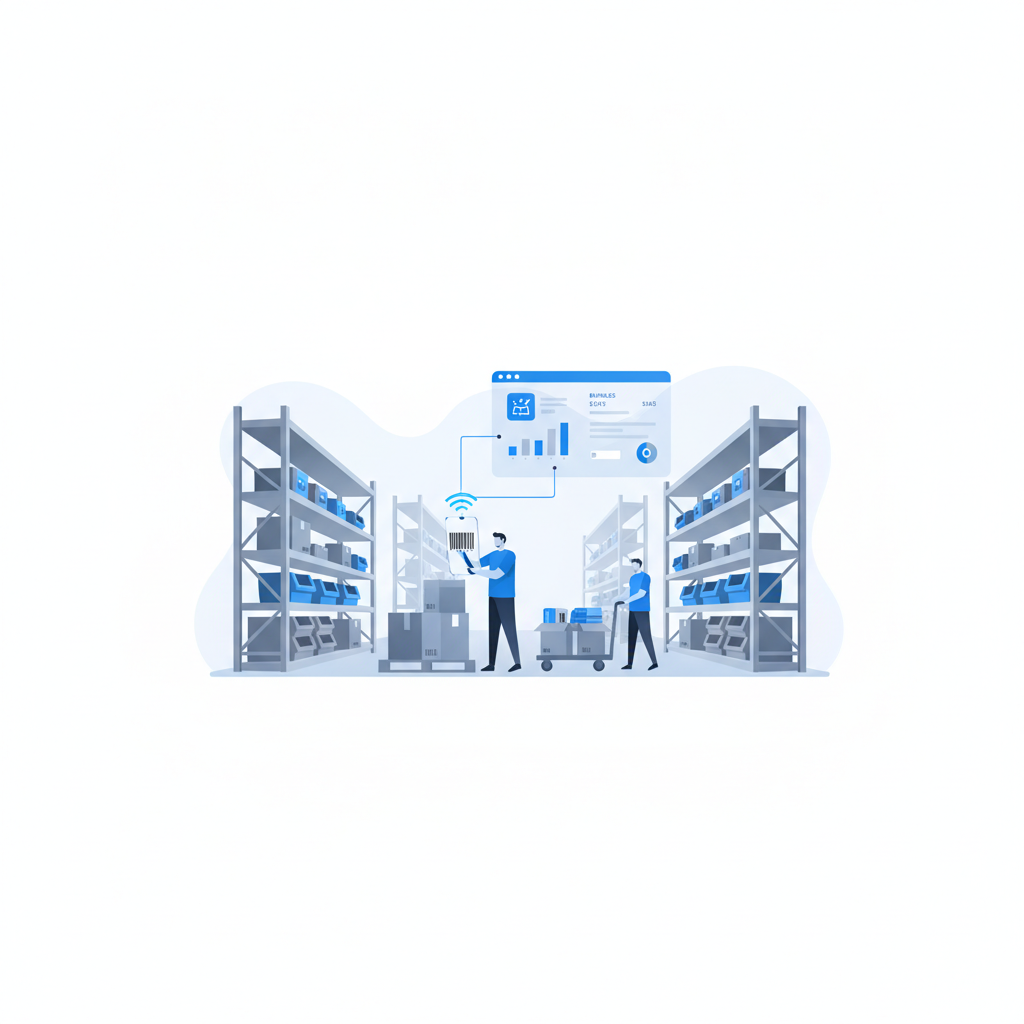
Subscription Box and Kitting Fulfillment Playbook: Running Bundles Without Losing Count
Subscription boxes and kitted bundles break spreadsheets fast because one finished SKU can eat five or six component SKUs at once. Here is a practical playbook for receiving components, building kits, and verifying every box before it leaves the floor.
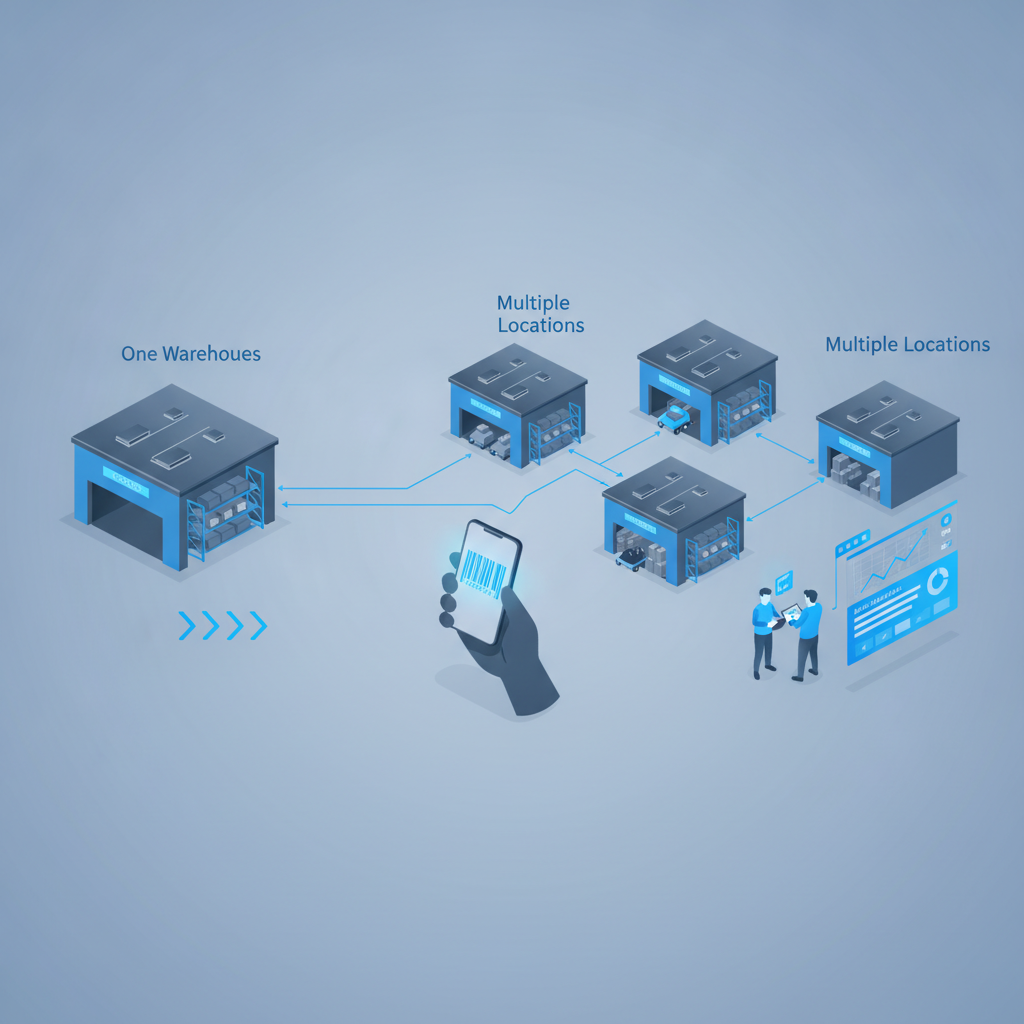
Scaling from One Warehouse to Multiple Locations: A Playbook
Opening a second site multiplies every small process gap you tolerated at one location. Here is a step-by-step playbook for scaling to multiple warehouse locations without losing visibility.
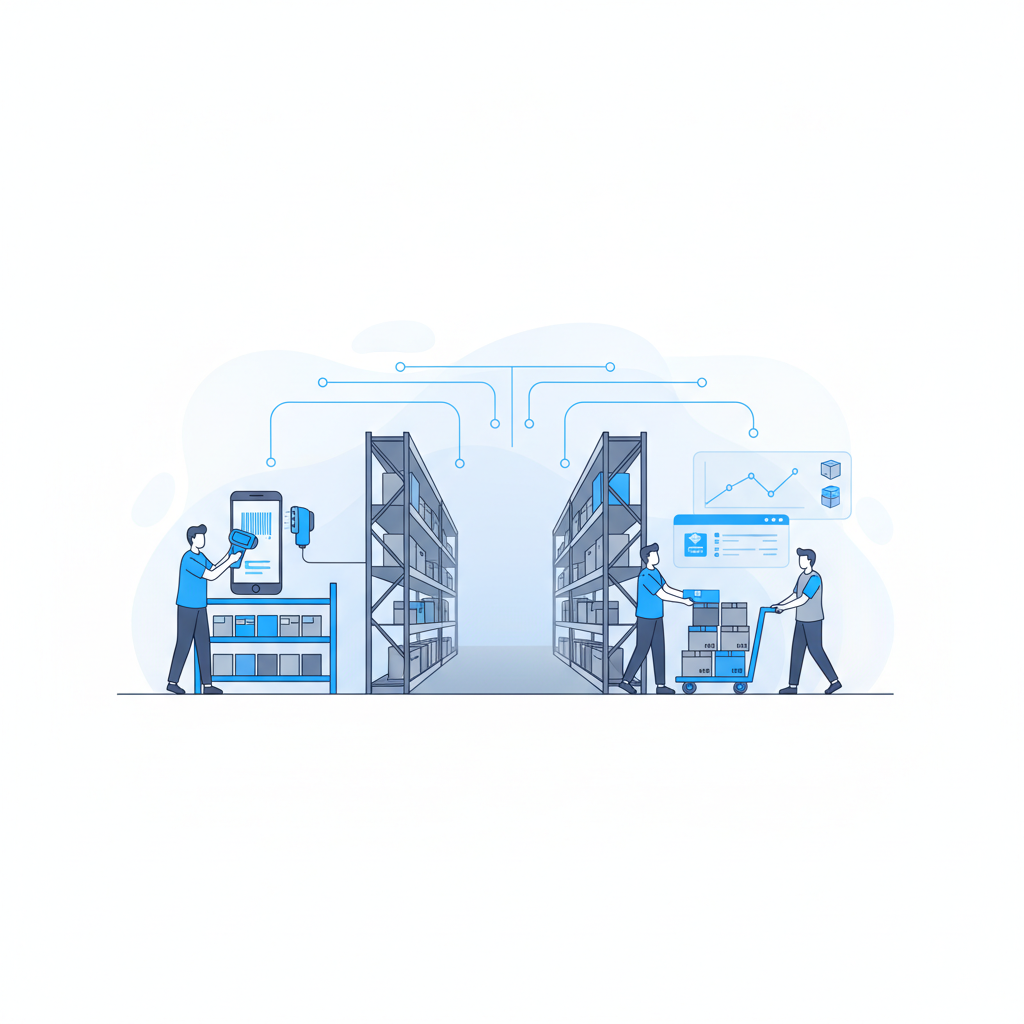
Wholesale and B2B Fulfillment WMS Playbook: Running Bulk Orders Without Chaos
Wholesale and B2B fulfillment runs on different rules than DTC: bigger orders, case and pallet units, retailer compliance, and chargebacks that can erase a margin. Here is how to run it on a WMS instead of a patchwork of spreadsheets.

Migrating From Spreadsheets or a Legacy WMS: A Data Migration Guide
Moving inventory data from spreadsheets or an old WMS is less about software and more about discipline. Here is the step-by-step process, what usually breaks, and how Shipider handles the cutover.

WMS Vendor Demo: Questions to Ask Before You Commit
A demo call is where WMS vendors are easiest to read and hardest to pin down. Here is the exact list of questions to ask before you sign, organized by what actually breaks after go-live.

Hidden Costs of WMS Software: What Per-Seat and Legacy Vendors Do Not Show You
Onboarding fees, per-user licenses, overage charges, hardware maintenance: the real cost of a WMS rarely matches the quote. Here is where the money actually goes.
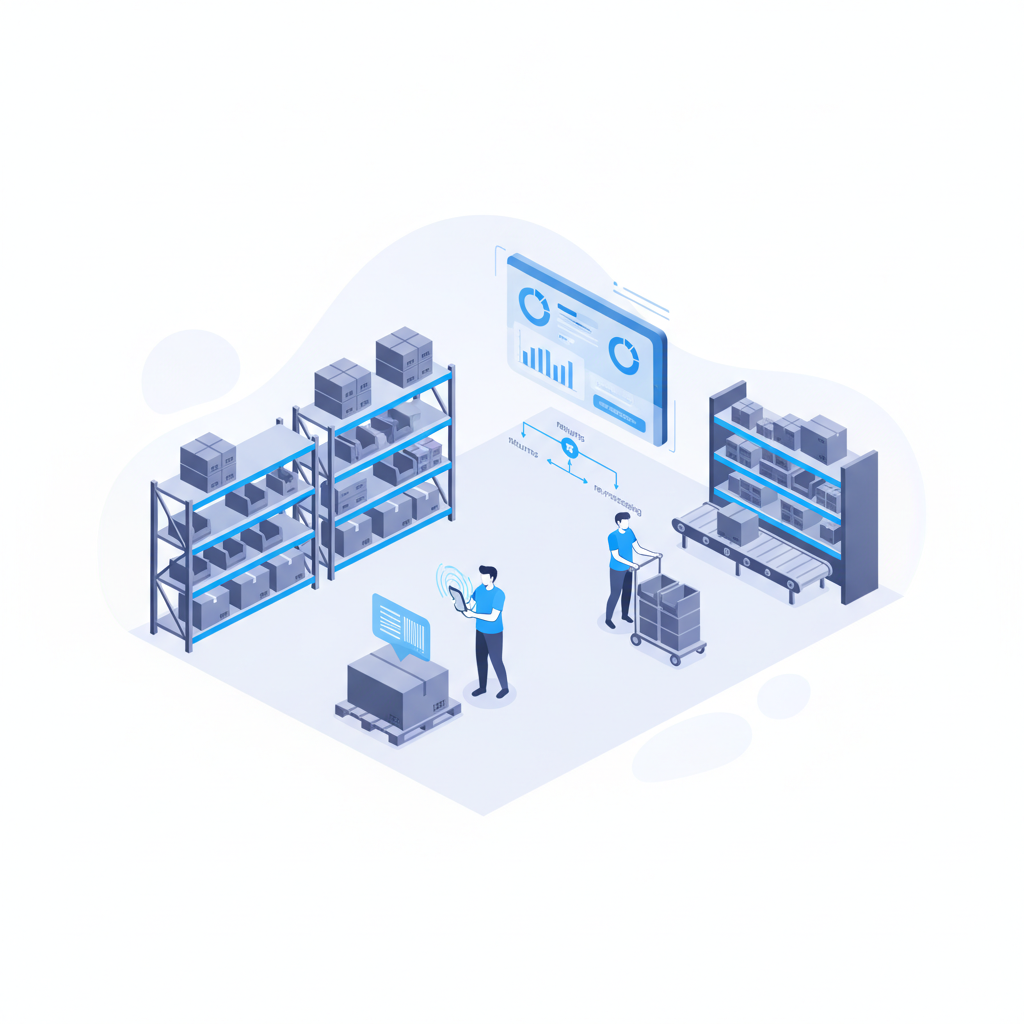
Reverse Logistics and Returns Processing for Small Warehouses
Most small warehouses build a tight process for outbound orders and then let returns pile up on a back table with no system behind them. Here is a reverse logistics flow that actually holds up.
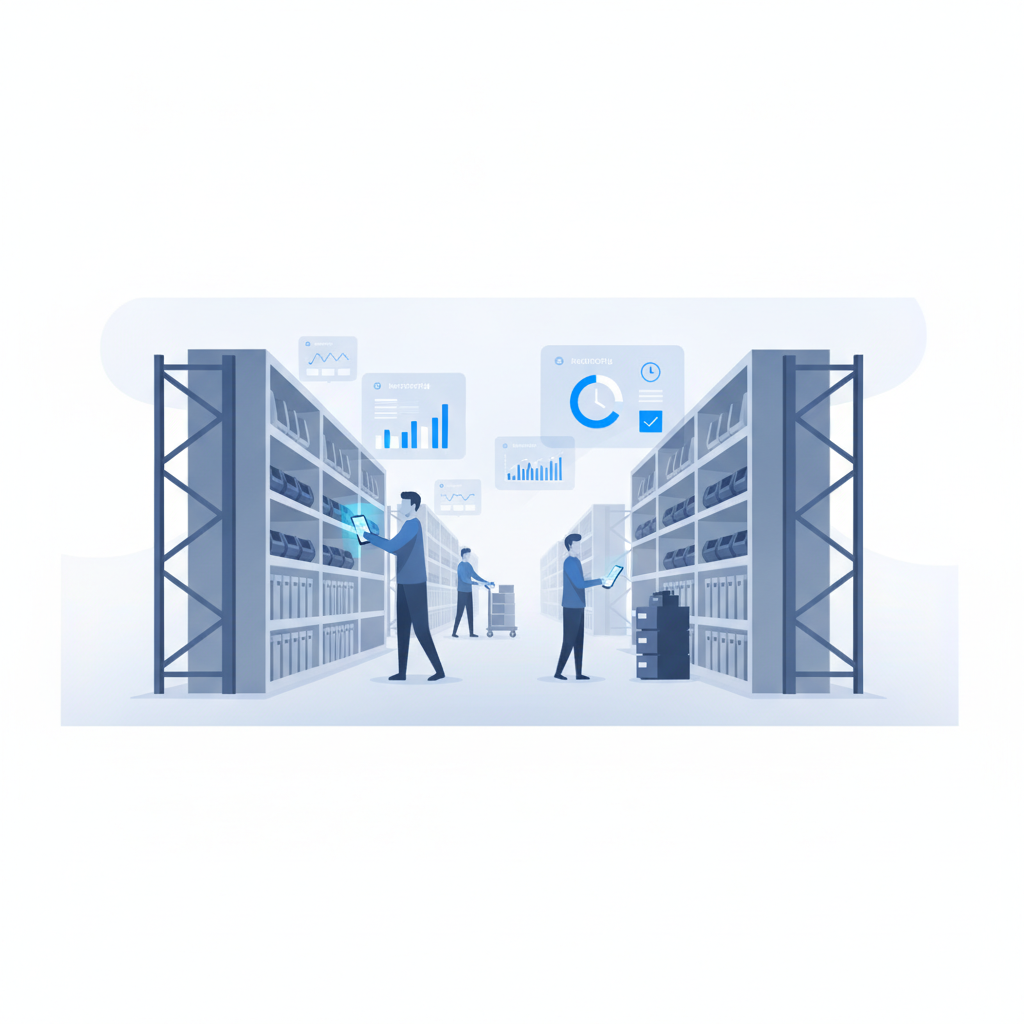
WMS Implementation Timeline: How Long Does It Actually Take to Go Live
Most WMS rollouts get quoted at three to six months. Here is what actually eats that time, and how a browser-based system like Shipider compresses it to days.

Integration Checklist: What to Ask Before Connecting Your WMS to Your Stack
Before you connect a WMS to your ERP, storefront, or 3PL client systems, there are questions worth asking out loud. Here is the checklist that keeps integrations from turning into six-month projects.

Warehouse Automation Without Robotics: What Small Teams Can Automate Today
Robotics gets the headlines, but most small warehouses can cut manual work and mistakes today with software automation: barcode scanning, API sync, and a built-in verification step. No conveyor belts required.

Automating Purchase Order Receiving With API Triggers
A practical guide to automating purchase order receiving with API triggers, matching inbound scans to open POs, and verifying every receipt with maker-checker before stock hits your locations.