

A lot number is a code assigned to a specific batch of goods that were produced, packed, or received together, used to trace that group of items back through manufacturing, receiving, storage, and shipment. In a warehouse running Shipider, a lot number lets a team group inventory by production run or receiving batch so that if one unit has a quality problem, they can identify and isolate every other unit from the same lot without pulling the entire SKU off the shelf.
The term shows up most in food, beverage, pharmaceuticals, cosmetics, supplements, and any regulated or perishable category, but the underlying idea applies to almost any warehouse that receives goods in batches from a supplier or manufacturer. Once you understand what a lot number actually does, it becomes clear why it is one of the most useful pieces of traceability data a warehouse can keep.
Why lot numbers exist
Manufacturers do not make a product once. They run it in batches: a production shift, a day's output, a mixing tank, a print run. Each batch can differ slightly from the next because of raw material changes, equipment settings, or timing. A lot number is simply the label that ties a unit of inventory back to the specific batch it came from.
That link matters the moment something goes wrong. If a supplier discovers a contamination issue, a mislabeled ingredient, or a defective component, they do not recall every unit of that product ever made. They recall the lots affected. A warehouse that knows which pallets and cases belong to which lot can pull exactly the right inventory, fast, and leave the rest of the floor untouched.
Lot number vs batch number vs serial number vs SKU
These four terms get used interchangeably on the floor, which causes confusion during audits and recalls. They are not the same thing.
| Term | What it identifies | Granularity | Typical use case |
|---|---|---|---|
| SKU | A specific product or variant | Product level (applies to every unit ever made) | Catalog, pricing, reordering |
| Lot number | A production or receiving batch | Group of units made or received together | Recalls, quality holds, expiry rotation |
| Batch number | Often used as a synonym for lot number, though some industries define it as one step within a manufacturing run | Group level, sometimes narrower than a lot | Manufacturing and compliance records |
| Serial number | One individual unit | Single item | Warranty tracking, high-value or regulated single items |
In practice, most warehouses treat lot number and batch number as the same concept and worry less about the technical distinction. The SKU tells you what the product is. The lot number tells you which group of that product you are holding. The serial number, when it exists, narrows that down to one physical unit.
Where lot numbers show up in a warehouse
A lot number usually enters the warehouse at receiving, printed on a supplier's packing slip, a case label, or a pallet tag. From there it should travel with the goods through every stage:
- Receiving: the lot is logged against the purchase order and the inbound pallet or SKU line.
- Putaway: the lot stays associated with whichever warehouse location the pallet is slotted into.
- Storage: if a lot splits across multiple pallets or locations, each one keeps the reference.
- Picking and dispatch: the lot ships with the order, and a record of which lot went to which customer is kept somewhere searchable.
The weak point in most small and mid-size warehouses is not receiving the lot number. It is keeping it attached to the inventory as pallets move, get broken down, and get re-slotted. A handwritten note or a sticky label on a pallet does not survive three moves across the floor.
Why lot numbers matter for traceability
Recalls and quality holds
When a supplier or regulator issues a recall, the question is always the same: which units do we have, and where are they right now. A warehouse that can search by lot number and get back a list of pallets, locations, and shipped orders can respond in minutes. One that has to physically walk the floor checking labels, or dig through spreadsheets, turns a contained issue into a much bigger one.
Dispute resolution and proof
Lot numbers are also useful outside of formal recalls. If a customer claims a shipment arrived damaged or short, or a 3PL client disputes what left the dock, having the lot tied to a specific pallet record with photos and a timestamp settles the question quickly. This is the same evidence-first logic behind damaged pallet dispute workflows: a traceable record beats a verbal account every time.
FEFO and FIFO rotation
Lot numbers often carry an implicit order. Earlier lots were typically made or received first, which is why many teams rotate stock first-expired-first-out or first-in-first-out based on lot sequence. Without a visible lot reference at the pick face, pickers default to whatever is easiest to reach, and older stock quietly ages behind newer deliveries.
Root cause investigation
When a quality issue or a pattern of returns shows up, the first question is usually whether it traces to one lot or is spread across many. That kind of pattern only becomes visible if lot data was captured consistently in the first place, which is the same discipline behind finding the root cause of SKU discrepancies more broadly.
How to track lot numbers without a dedicated lot-field module
Many WMS platforms built for food or pharma manufacturing offer structured lot fields with built-in expiry alerts and automated FEFO picking logic. That level of structure is not something every warehouse needs, and it is not what Shipider provides today. Shipider does not have dedicated lot, batch, or expiry fields baked into the data model.
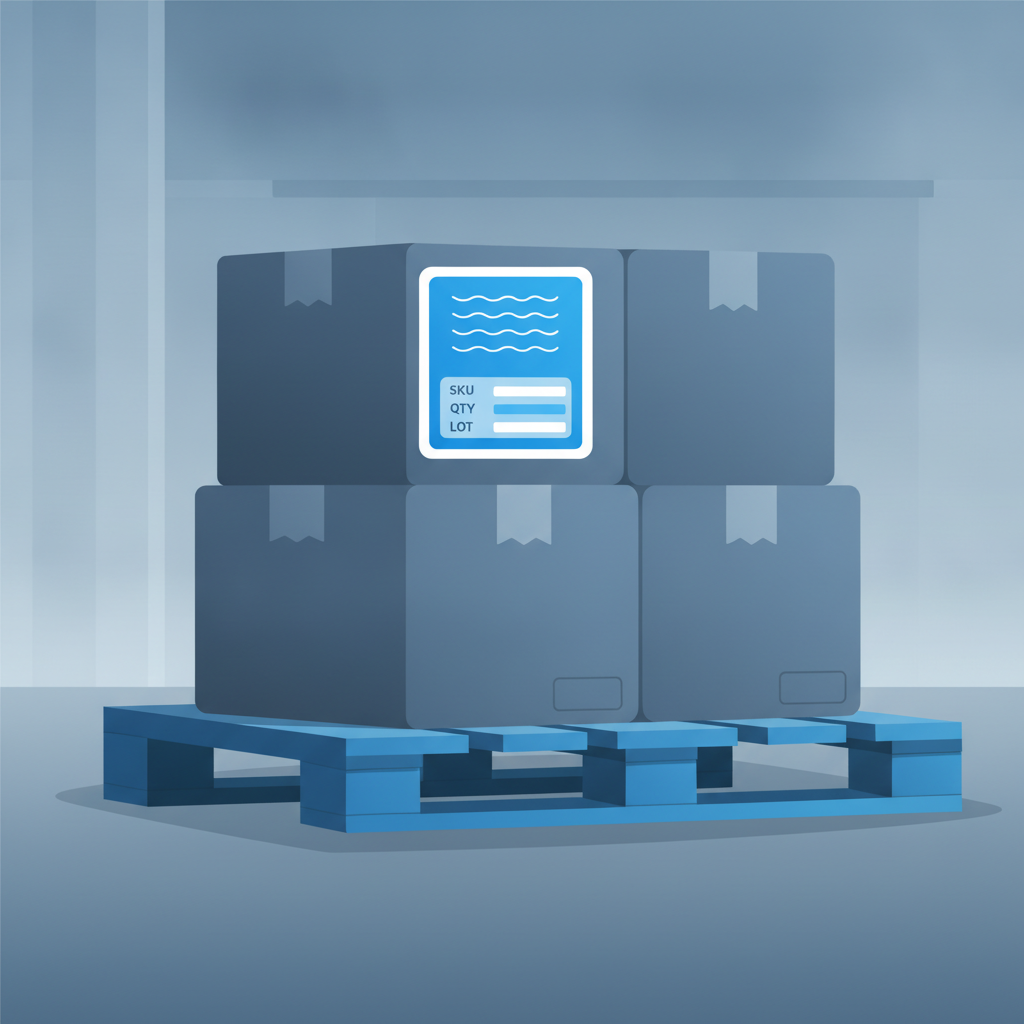
What Shipider does give a team is a practical way to keep lot information attached to inventory without that dedicated module. Teams record the lot number as a free-form tag on the pallet or SKU line at receiving, so it travels with that pallet through putaway and storage. Because every pallet in Shipider carries its own record with photos and a real audit trail, the lot tag sits alongside a visual history of that pallet rather than living on a separate spreadsheet. When a recall or dispute comes up, a team can search pallet and SKU records for that tag and see exactly where that batch sat and where it shipped.
For warehouses running formal lot, batch, and expiry-driven compliance programs (regulated pharma manufacturing, for example), a system with structured lot fields and automated expiry alerts may be the better fit. [NEEDS VERIFICATION: specific regulatory requirements, such as FDA 21 CFR Part 11 traceability rules, that would require structured lot fields rather than tagged tracking]. For most food, beverage, supplement, cosmetics, and general goods warehouses, tagging the lot on the pallet record and keeping a searchable, photo-backed trail covers the traceability need without adding a heavier system.

Lot number best practices for small and mid-size warehouses
A few habits make lot tracking reliable even without dedicated lot fields:
- Capture the lot number at the moment of receiving, not later. Once a pallet is broken down, the original label is often gone.
- Tag the lot consistently on every pallet or SKU line from that batch, not just the first one.
- Slot lots so the oldest is reachable first, which supports FEFO and FIFO rotation without extra software logic.
- Keep a photo of the lot label or case marking on the pallet record as backup evidence.
- Train pickers to check the lot tag before confirming a pick, especially for perishable or regulated goods, as a second check similar to a maker-checker workflow.
These practices matter most for operations handling perishable or regulated inventory. For a deeper look at running a full lot and expiry program on the floor, see the guide to lot and batch tracking for perishable or regulated inventory, and the related piece on serial number and expiry date tracking for single-unit traceability needs.
Lot tracking is really one piece of a bigger discipline: knowing where every unit of inventory is, where it came from, and what happened to it along the way. That is the same goal behind building out inventory accuracy practices more generally, whether the question is a lot recall, a cycle count variance, or a shrinkage investigation.
Frequently asked questions
What is a lot number in simple terms?
A lot number is a code that identifies a specific batch of goods made or received together, so that unit can be traced back to its production run or delivery batch if a problem comes up later.
Is a lot number the same as a batch number?
In most warehouses, yes, the two terms are used interchangeably to mean a group of units produced or received together. Some manufacturing contexts draw a finer distinction between a batch as one manufacturing step and a lot as the combined output, but for warehouse traceability purposes they function the same way.
How is a lot number different from a SKU?
A SKU identifies the product itself and applies to every unit of that product ever made. A lot number identifies a specific group of units from one production run or shipment, so two pallets of the same SKU can carry different lot numbers if they came from different batches.
Why do warehouses need to track lot numbers?
Tracking lot numbers lets a warehouse respond to a recall, quality hold, or customer dispute by isolating the exact units affected instead of pulling an entire product line. It also supports rotating stock in the right order so older batches ship before newer ones.
Does Shipider have dedicated lot number fields?
Shipider does not have a dedicated structured lot, batch, or expiry field built into its data model. Teams track lot numbers using free-form tags on pallet and SKU records, which stay attached to the pallet's photo history and audit trail through receiving, storage, and dispatch.
If your team is still tracking lot numbers on paper or in a separate spreadsheet from the rest of your inventory, sign up for Shipider and see how pallet-level records, tags, and a real audit trail keep that traceability attached to the inventory itself.
Related reading: FEFO vs FIFO: Choosing the Right Inventory Rotation Method