
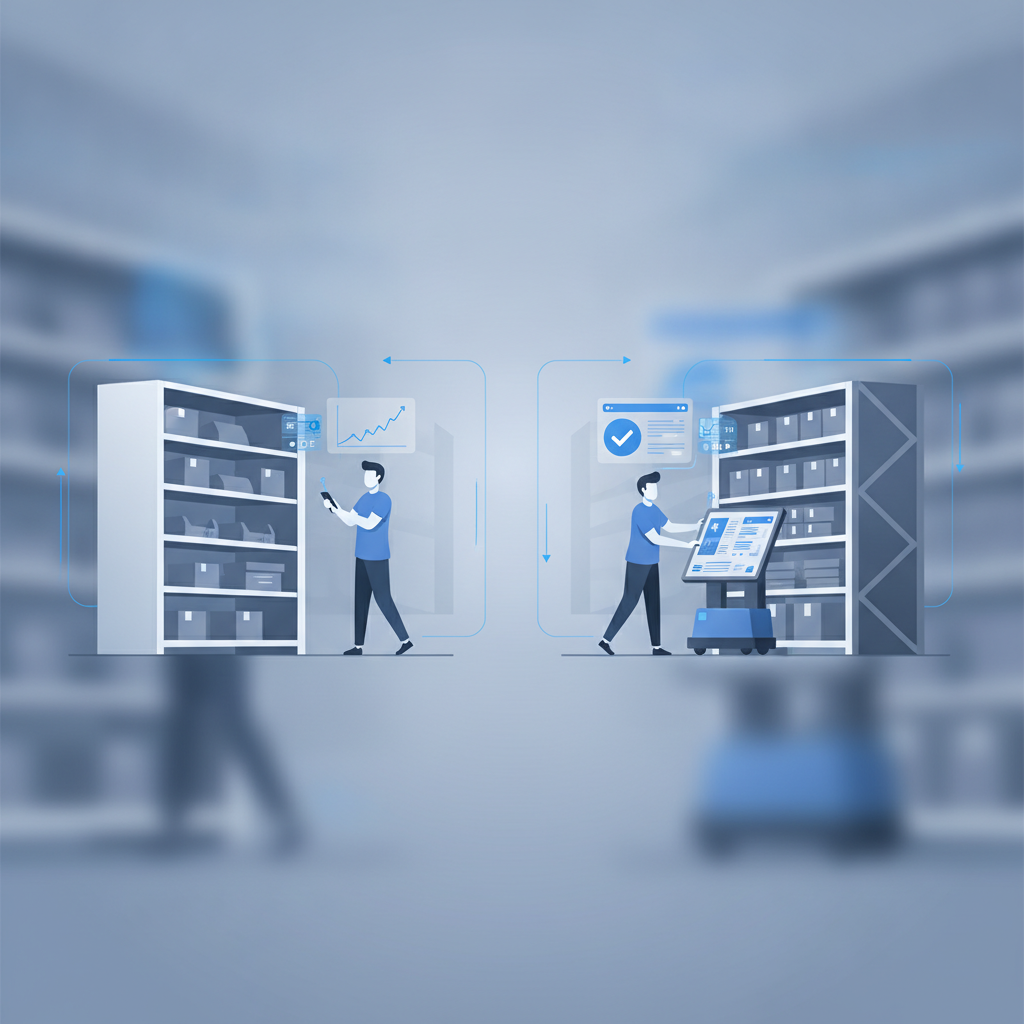
Shipider is a multi-tenant warehouse management platform built for lean 3PLs and DTC brands that need receiving, putaway, order verification, and dispatch on a real audit trail without buying scanner hardware or committing to a long rollout, while ShipHero is a warehouse and fulfillment platform known primarily for high-volume ecommerce order processing. The right choice depends on whether you need structural client isolation and a lighter operating model, or you're already running at a scale where ShipHero's ecosystem fits your team.
This comparison is written for two specific readers: a small 3PL evaluating software to run multiple client accounts under one roof, and a DTC or B2B brand that has outgrown spreadsheets but isn't ready for an enterprise-grade rollout. If that's you, keep reading.
Who each platform is actually built for
Shipider was designed around a simple premise: warehouses that grew up on Excel need software that respects how they actually work, not a scaled-down version of enterprise tooling. That means camera-based barcode scanning that runs in any phone's browser, a two-step maker-checker verification step on outbound orders, pallet and SKU tracking with a full audit trail, and structural multi-tenant isolation so a 3PL can onboard client after client without data bleeding between accounts.
ShipHero is a longer-established name in the ecommerce fulfillment space, and it's most commonly discussed in the context of brands and 3PLs processing meaningful order volume who need a mature picking and packing workflow. [NEEDS VERIFICATION: current ShipHero minimum order volume, contract terms, and whether multi-tenant client isolation is a native structural feature or an add-on configuration]. Because we can't verify those specifics independently, this article focuses on the dimensions that are publicly documented and directly comparable: verification workflow, scanning hardware requirements, multi-site and multi-tenant handling, and pricing structure.
Core differences at a glance
| Dimension | Shipider | ShipHero |
|---|---|---|
| Order verification | Built-in two-step maker-checker on picks and dispatch, logged on an immutable audit trail | [NEEDS VERIFICATION: whether a comparable second-scan verification step exists as a default workflow] |
| Barcode scanning | Camera-based scanning in any phone browser, no dedicated hardware required | [NEEDS VERIFICATION: current scanning hardware requirements and whether browser-based scanning is supported] |
| Multi-tenant 3PL isolation | Structural isolation built for running many client accounts under one roof | [NEEDS VERIFICATION: how client separation is handled for 3PL accounts] |
| Pallet and SKU traceability | Pallet-level and SKU-level tracking with photos, signatures, and full movement history | [NEEDS VERIFICATION: depth of pallet-level traceability features] |
| Multi-site inventory | Native multi-site inventory visibility across warehouses | [NEEDS VERIFICATION: multi-site support scope] |
| Pricing model | Token-based, usage-driven pricing with a free tier | [NEEDS VERIFICATION: current pricing tiers and contract length] |
| Implementation | No hardware to procure, setup measured in days | [NEEDS VERIFICATION: typical implementation timeline] |
Maker-checker verification: the difference that shows up on shipped orders
The single biggest operational difference for most teams is what happens between picking and dispatch. Shipider requires a second person, or a second scan, to confirm every order before it ships. That's the maker-checker workflow in practice: one person picks and packs, a second person verifies the contents against the order before it's cleared to ship. Every step is timestamped and tied to a user, so if a wrong item goes out, you can trace exactly which scan, which person, and which minute it happened.
This matters more for lean teams than it sounds. A five-person warehouse doesn't have a dedicated QA department, so building verification into the software itself, rather than relying on a supervisor walking the floor, catches mistakes before they become customer complaints or client chargebacks. If ShipHero has an equivalent built-in second-check step, we haven't been able to confirm the specifics, so treat that as an open question to raise directly with their sales team during a demo.
Barcode scanning: browser-based vs dedicated hardware
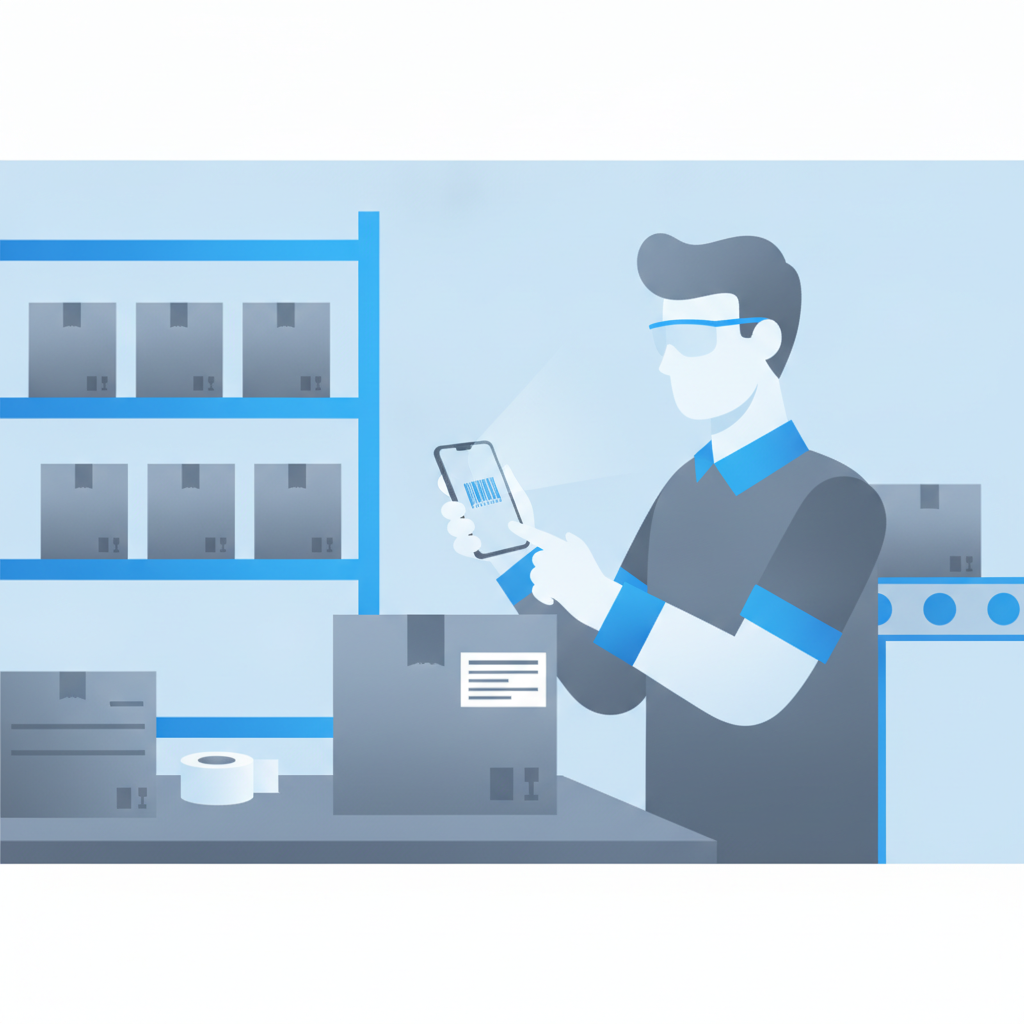
Shipider's scanning runs entirely in the browser using a phone's camera. No app to install, no Bluetooth pairing, no rugged handheld to buy, charge, or replace when someone drops it. That matters most for 3PLs onboarding a new client fast or DTC brands running lean during peak season when you might need to add three temp pickers for two weeks and don't want to provision new devices for each.
Whether ShipHero requires or supports dedicated scanner hardware, and whether it offers a comparable browser-based option, is something to confirm directly, since public documentation on this varies. For a deeper look at the tradeoffs between phone cameras, Bluetooth guns, and rugged handhelds generally, see our comparison of scanning hardware options.
Multi-tenant isolation for 3PLs running multiple clients
If you're a 3PL, this is probably the section that matters most. Shipider's multi-tenant structure isolates each client's inventory, orders, and reporting at the data layer, not just through filtered views. That means a warehouse running ten client accounts can give each client visibility into their own inventory without any risk of cross-contamination, and can bill and report per client without manual reconciliation. Our guide to running a multi-tenant 3PL warehouse goes deeper into how isolation, roll-up reporting, and billing work together.
Whether ShipHero's approach to multi-client accounts provides the same structural separation, or whether it's more oriented toward a single brand's fulfillment operation, is worth clarifying in a demo before you commit, particularly if you plan to grow your client roster over the next year.
Pricing: token-based usage vs traditional tiers
Shipider prices on a token-based model tied to actual usage, with a free tier to start. That structure tends to fit lean teams better than a flat per-seat or per-warehouse subscription, because you're not paying for headcount growth or seasonal staffing spikes the way you would with per-user licensing. If you want the full breakdown of how usage-based pricing compares to per-seat models across the WMS category generally, our piece on usage-based vs per-seat WMS pricing covers the mechanics in detail. Current plan details live on the Shipider pricing page.
[NEEDS VERIFICATION: ShipHero's current pricing structure, minimum commitments, and whether it publishes self-serve pricing or requires a sales conversation]. If pricing transparency matters to your evaluation, ask for a written quote early and compare it against a token-based model where your costs scale with the volume you actually process.
Implementation timeline: days vs a longer rollout
Shipider requires no hardware procurement and no six-month implementation project. Most teams import their existing SKU and location data (an Excel import is usually enough to get started), set up warehouse locations, and start receiving and processing orders within days. For 3PLs specifically, our guide on how to onboard a new 3PL client without adding headcount shows what that ramp-up actually looks like operationally.
Longer implementation timelines aren't inherently bad. Some operations genuinely need extensive configuration, integrations, and staff training before go-live. But if your team is lean and you need to be live before your next peak season, the length of the rollout is a legitimate evaluation criterion, not a minor detail.
Which one fits a lean 3PL or DTC brand
If you're a 3PL that needs true client isolation, wants staff to start scanning with phones they already own, and needs order accuracy enforced by the software rather than by hoping a supervisor catches errors, Shipider's combination of maker-checker verification, multi-tenant isolation, and token pricing is built specifically for that scenario. Our 3PL solutions page outlines how those pieces fit together for multi-client operations.
If you're a DTC brand running your own fulfillment and shipping direct to consumers, the same core capabilities apply differently: multi-site inventory visibility if you run more than one location, pallet and SKU traceability for supplier disputes, and a verification step that catches mis-picks before they become returns. The ecommerce solutions overview walks through that use case in more depth.
For a broader look at ShipHero alternatives generally, including how the evaluation criteria shift depending on whether you're a 3PL or a single-brand operation, our related piece on a ShipHero alternative without the enterprise price tag covers additional ground this article doesn't repeat.
Frequently asked questions
Is Shipider a good ShipHero alternative for a small 3PL?
Yes, particularly for 3PLs that need structural isolation between client accounts, want staff to scan with phones instead of dedicated hardware, and want order verification enforced by a maker-checker workflow rather than manual spot checks.
Does Shipider require barcode scanner hardware like ShipHero might?
No. Shipider's barcode scanning runs in the browser using a phone's built-in camera, so there's no dedicated scanner gun or app installation required to start receiving, putting away, or picking orders.
How does Shipider's pricing compare to typical WMS pricing tiers?
Shipider uses token-based, usage-driven pricing with a free tier, so costs scale with actual activity rather than a fixed per-seat or per-warehouse subscription. Full plan details are on the pricing page.
What is maker-checker verification and why does it matter for order accuracy?
Maker-checker verification requires a second scan or a second person to confirm an order's contents before it ships, creating a built-in check against mis-picks that's logged on an audit trail tied to a specific user and timestamp.
Can Shipider handle multiple warehouse locations for one brand?
Yes. Shipider supports multi-site inventory visibility, so a brand or 3PL running more than one warehouse can see stock levels and movement across all locations from one account.
If you're ready to see how maker-checker verification, in-browser scanning, and multi-tenant isolation work together on your own floor, create a free Shipider account and get your first warehouse set up in days, not months.
Related reading: WMS Alternatives and Comparisons: The Hub for Evaluating Your Next System