
← The Shipider Journal
CATEGORY

Warehouse Operations

Receiving, put-away, picking, packing, and the maker-checker workflow that keeps a floor honest.

5 articles

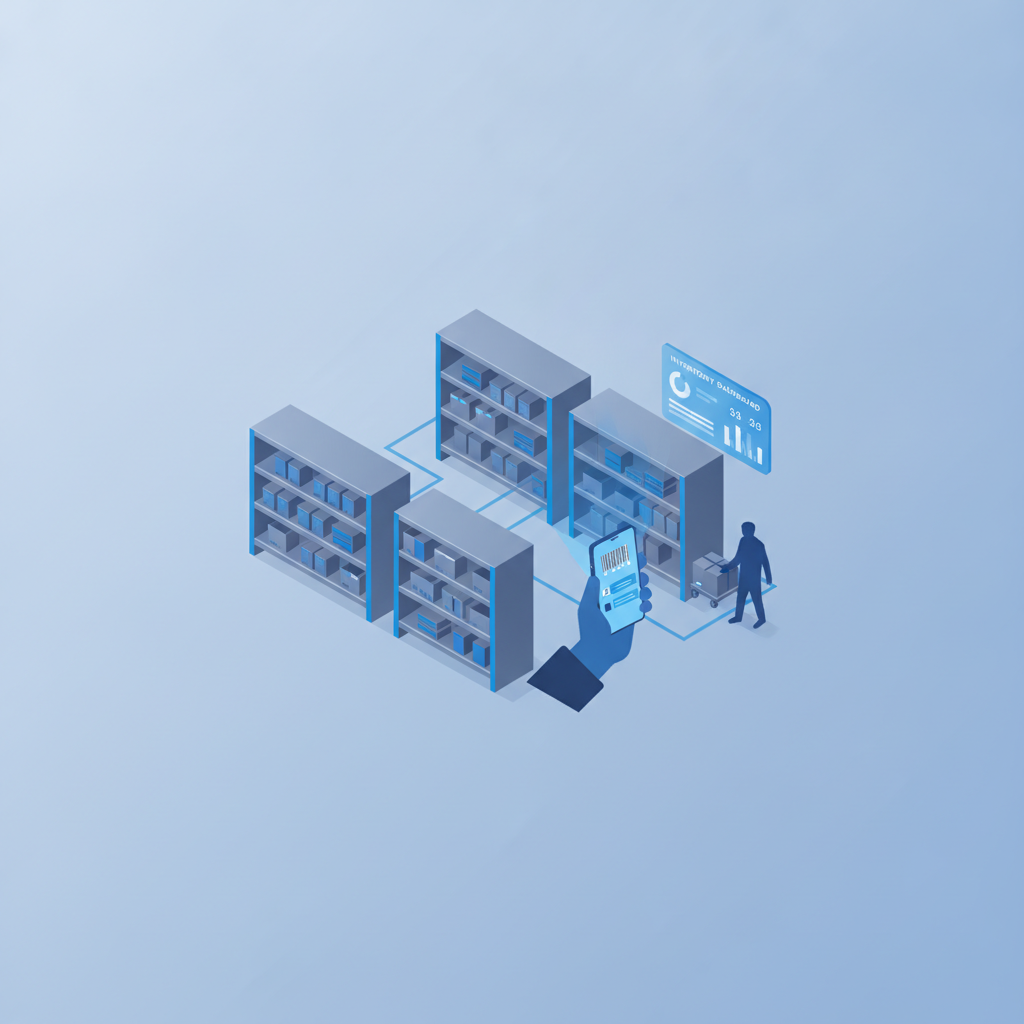
Warehouse operations is the daily work of moving goods correctly: receiving inbound pallets, putting them away, picking and packing outbound orders, and confirming every step before it ships. Shipider is built around a maker-checker workflow, so one operator prepares the work and a second confirms it, and every action lands in a timestamped audit trail.

This hub collects the operational playbooks: how to run receiving to put-away cleanly, how the maker-checker second scan stops shipped mistakes, and how to cycle count without shutting the floor down. If you are moving off spreadsheets, start here.

ARTICLES
№01
Warehouse Operations

How to Reduce Mis-Ships in a Warehouse: A Packing Workflow That Actually Works

Mis-ships rarely come from one bad moment. They come from a packing process with no scan, no second check, and no proof. Here's the workflow that fixes it.

№02
Warehouse Operations

Picking Strategies for Small Warehouses: Which One Actually Fits Your Floor

A practical breakdown of picking strategies for small warehouses, from single-order to batch and zone picking, with a comparison table and guidance on choosing one that fits your order volume and headcount.

№03
Warehouse Operations

Cycle counting without shutting down the warehouse

A full annual stock take stops the floor and still misses things. Cycle counting checks a slice of locations continuously, so accuracy stays high without a shutdown. Here is how to run it.

№04
Warehouse Operations

From receiving to put-away: a best-practice flow for small warehouses

Receiving is where accuracy is won or lost. A tight flow from inbound scan to put-away keeps your inventory trustworthy from the first pallet. Here is the sequence that works.

№05
Warehouse Operations

The maker-checker workflow: how a second scan stops shipped mistakes

A maker-checker workflow splits every order into a prepare step and a confirm step, so a mistake is caught before it leaves the building. Here is how it works and why it is the core of an accurate warehouse.