WMS Implementation Timeline: How Long Does It Actually Take to Go Live
Most WMS rollouts get quoted at three to six months. Here is what actually eats that time, and how a browser-based system like Shipider compresses it to days.
October 3, 2026

Olivia Morgan is a logistics consultant and author, specializing in sustainable logistics and green supply chain practices. With a background in environmental science and a passion for driving eco-friendly solutions, Olivia helps organizations navigate the complex landscape of sustainable logistics. Olivia is a part time blogger for Shipider Blog where she offers a comprehensive guide on reducing carbon emissions, optimizing transportation routes, implementing reverse logistics programs, and integrating environmental considerations into procurement and packaging strategies. Olivia's expertise helps businesses align their logistics operations with sustainability goals and create a positive impact on the environment.

Most WMS rollouts get quoted at three to six months. Here is what actually eats that time, and how a browser-based system like Shipider compresses it to days.
October 3, 2026
Accuracy tells you if the count is right. It doesn't tell you if freight is stuck on the dock, orders are shipping late, or picking is the bottleneck. Here are the warehouse operations KPIs that fill in the rest of the picture.
September 19, 2026
Serial number and expiry date tracking in a WMS means every unit, not just every SKU, has its own identity and shelf life recorded against a real audit trail. Here is how it actually works on the floor.
September 18, 2026
Lot and batch tracking connects every unit of perishable or regulated inventory to its origin, location, and destination. Here's what to capture and how Shipider makes it provable.
September 17, 2026
A single hub for every WMS alternatives and comparisons article on Shipider's blog, organized by what you're actually trying to decide: which vendor, which pricing model, or whether you need a WMS at all.
September 12, 2026
Sortly is a solid tool for tracking assets and simple inventory, but it was never built for warehouse floors that need receiving, putaway, dispatch, or 3PL multi-tenant billing. Here is how Shipider compares for teams that have outgrown a folder-based inventory app.
September 8, 2026Logiwa is built for high-volume, high-SKU operations. If you run a smaller warehouse or 3PL and want a WMS you can set up this week without hardware, here is an honest look at Shipider as the alternative.
September 7, 2026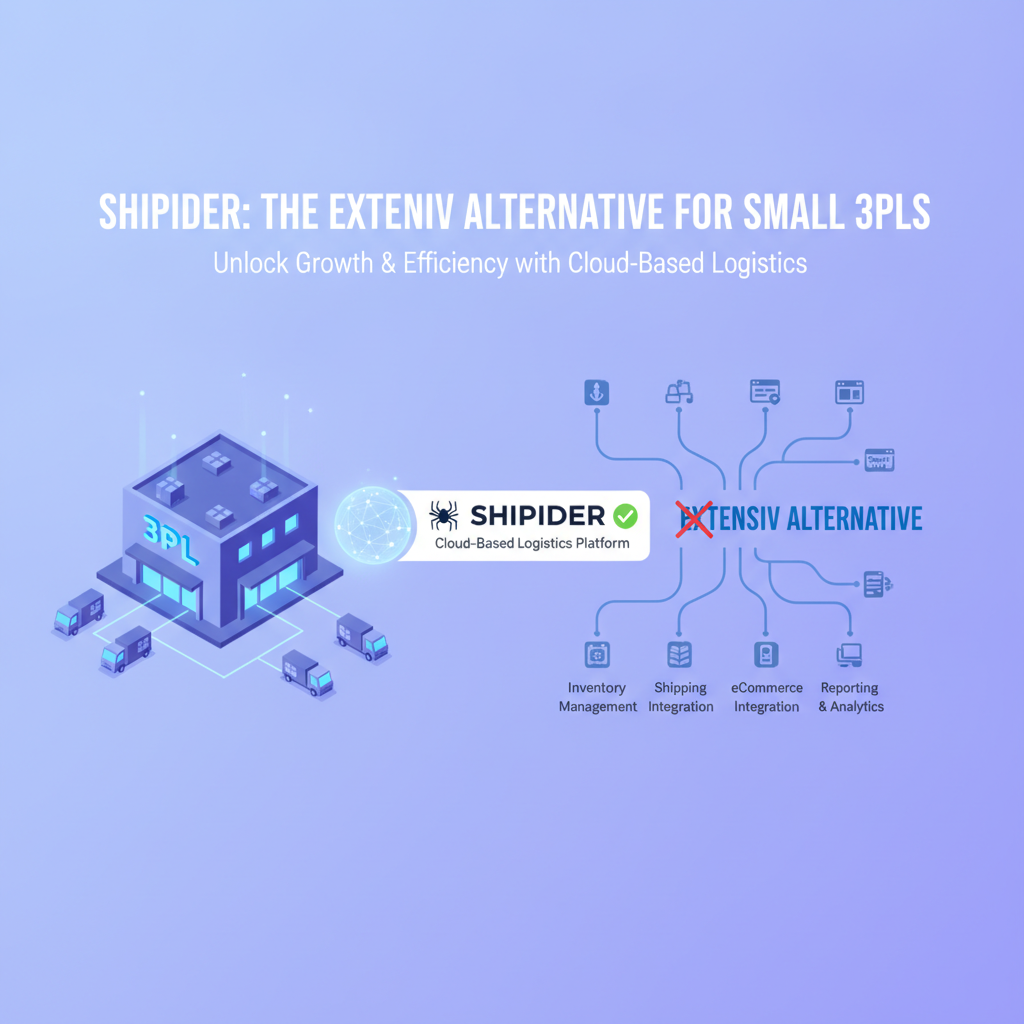
Small 3PLs outgrowing spreadsheets often start their search with Extensiv, then find the pricing and setup weight built for a bigger warehouse. Here is an honest comparison against Shipider.
September 4, 2026
Adding a new 3PL client usually means adding a person to manage the chaos. Here is how to onboard a client on the same floor, with the same team, using structural isolation and a workflow that catches mistakes before they ship.
July 25, 2026
A practical breakdown of picking strategies for small warehouses, from single-order to batch and zone picking, with a comparison table and guidance on choosing one that fits your order volume and headcount.
July 9, 2026
Polling for order status wastes cycles and lags reality. Webhooks push events the moment they happen, and the API reads and writes every operational object. Here is how to connect Shipider to the rest of your stack.
June 14, 2026
Most WMS platforms ask for $500 to $5,000 of scanners before you receive a single pallet. Shipider scans from any device camera in the browser. Here is why that changes what a warehouse costs to start.
June 7, 2026