
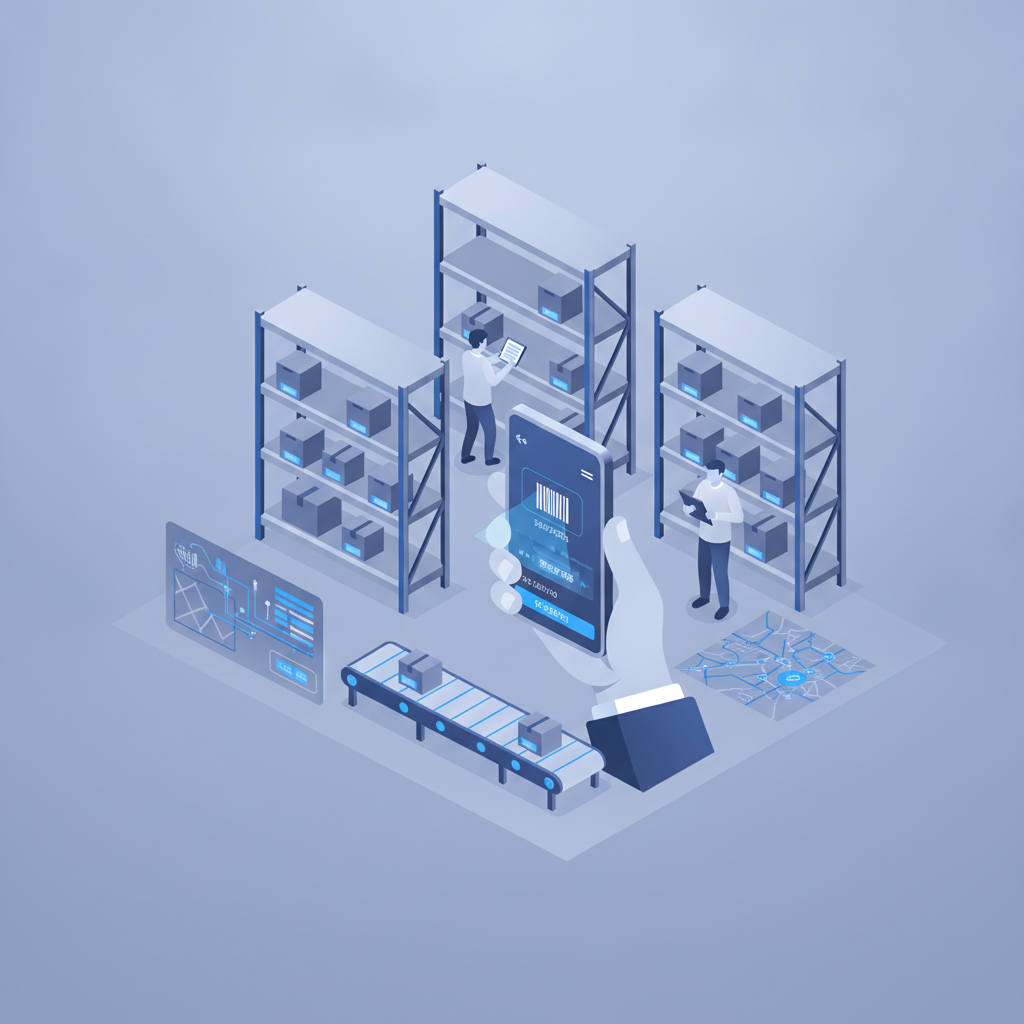
A Finale Inventory alternative worth considering is Shipider, a multi-tenant warehouse management platform that runs barcode scanning through a phone's camera in the browser instead of requiring dedicated rugged scanners, and that was built from the ground up for 3PLs managing several customers' inventory under one roof. If your team is comparing the two because you are tired of ordering, charging, and replacing handheld scanner guns, or because you need real client-by-client data isolation that a single-tenant inventory tool was not designed to provide, the differences below matter more than a feature checklist.
Why teams start looking for a Finale Inventory alternative
Finale Inventory is an established inventory management tool, and plenty of single-location retailers and small e-commerce sellers use it well. The search for an alternative usually comes from one of two directions. The first is hardware: teams who signed up expecting software and ended up budgeting for scanner guns, chargers, cases, and replacements, then discovered that losing or breaking one device means a picker is stuck until a spare shows up. The second is structure: a 3PL or a brand managing multiple client accounts or multiple sites finds that the data model was not built with tenant-level separation in mind, so workarounds pile up around what should be a clean wall between customers.
Neither of these is a knock on Finale as inventory software. They are mismatches between what the tool was designed to do and what a growing or multi-client operation now needs.
What Finale Inventory does well
Finale Inventory is positioned as inventory and order management for retailers and wholesalers, with integrations into common e-commerce and accounting platforms. [NEEDS VERIFICATION: current Finale Inventory feature list, supported integrations, and pricing tiers] For a single warehouse tracking its own SKUs and syncing to a storefront, that can be a reasonable fit. The friction shows up once the warehouse adds a second site, starts storing inventory on behalf of other companies, or wants scanning that does not depend on a specific device being charged and in the right hands.
The hardware question: camera scanning vs rugged guns
Finale Inventory's workflow is generally built around barcode scanner hardware, the kind of rugged gun or Bluetooth device that gets assigned to a picker for a shift. [NEEDS VERIFICATION: whether Finale Inventory requires a specific scanner brand or supports phone-camera scanning natively] That hardware does the job, but it adds a line item to the budget, a replacement cycle, and a point of failure. If a scanner is in a drawer or the battery is dead, that picker is off the floor until someone finds a working unit.
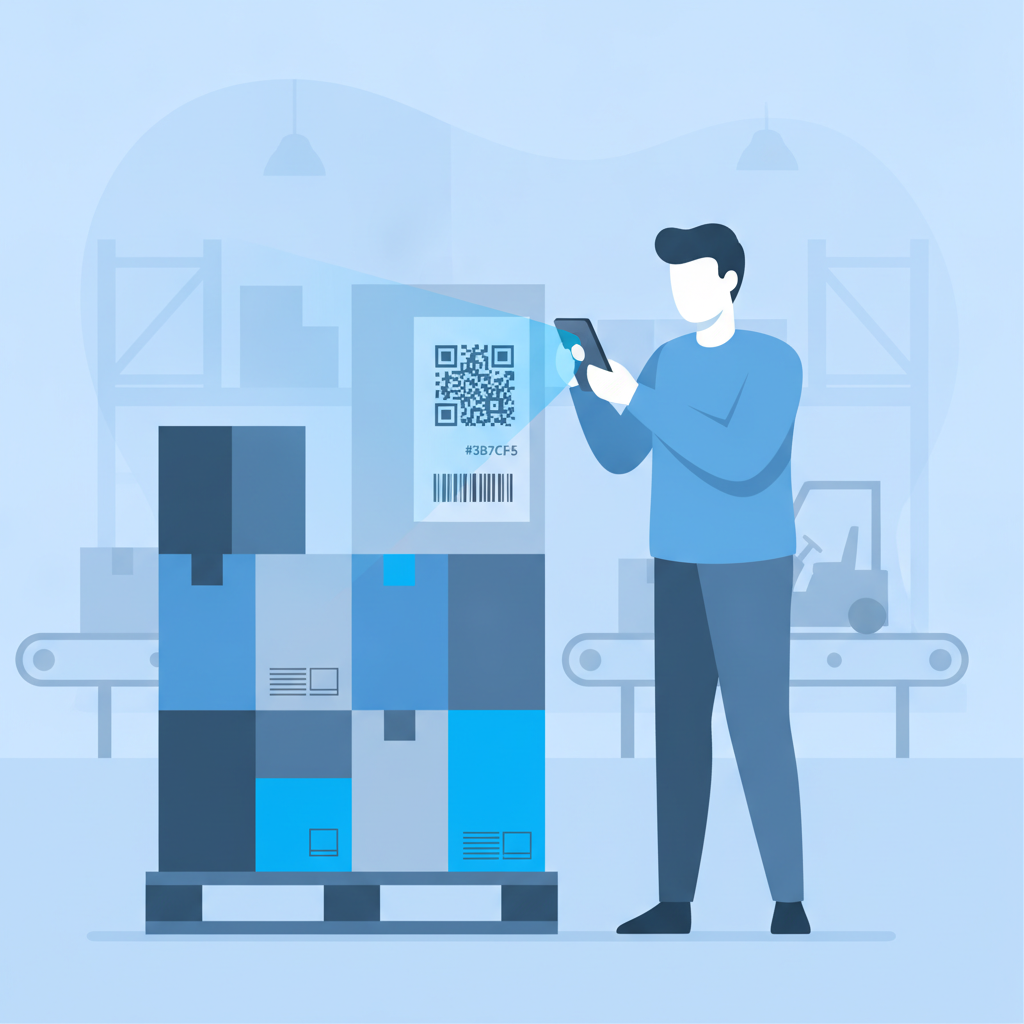
Shipider scans barcodes through a phone's camera, running in the browser on any phone the team already carries. There is no app to install, no device to provision, and no hardware to buy, charge, or lose. A new hire can start scanning receiving labels, pallet tags, and pick lists within minutes of being handed a phone. For teams evaluating the hardware trade-off directly, phone camera scanning vs a Bluetooth gun or rugged handheld breaks down where each approach actually wins.
Multi-tenant isolation: built for 3PLs, not bolted on
If you run a 3PL, or you are a brand that is starting to fulfill for a partner or a wholesale client, tenant separation is not a nice-to-have. You need each client's inventory, locations, and reporting walled off from every other client, with no risk of one account's stock count bleeding into another's. Shipider's multi-tenant structure is built for exactly this: structural isolation per customer, so a 3PL running ten clients under one roof can onboard a new one without custom development or spreadsheet gymnastics layered on top of the software.
That matters for day-to-day operations too. Pallet and SKU tracking, warehouse location assignments, and order processing all respect tenant boundaries by default. If this is your primary reason for evaluating alternatives, Shipider for 3PLs goes into more detail on how onboarding and billing work across multiple customer accounts.
Shipider vs Finale Inventory at a glance
| Category | Finale Inventory | Shipider |
|---|---|---|
| Barcode scanning | Built around dedicated scanner hardware [NEEDS VERIFICATION: current native camera-scanning support] | In-browser camera scanning on any phone, no hardware to buy or charge |
| Multi-tenant / 3PL structure | Primarily single-tenant inventory model [NEEDS VERIFICATION: current multi-client or sub-account support] | Structural multi-tenant isolation designed for 3PLs running many customers |
| Order verification | [NEEDS VERIFICATION: whether Finale offers a built-in second-check step before dispatch] | Maker-checker two-step verification on every order, logged to a real audit trail |
| Pallet and multi-site tracking | [NEEDS VERIFICATION: level of pallet-level and multi-location detail supported] | Pallet and SKU tracking with warehouse locations and multi-site inventory |
| Pricing model | [NEEDS VERIFICATION: current Finale Inventory pricing structure] | Token-based usage pricing, no per-seat licensing |
| Setup and rollout | [NEEDS VERIFICATION: typical Finale onboarding timeline] | No hardware, no six-month rollout; teams import existing data and start scanning |
Maker-checker verification and a real audit trail
One structural difference is how orders get verified before they leave the building. Shipider uses a maker-checker workflow: one person processes an order, a second person checks it with their own scan before dispatch, and every step from receiving through putaway, picking, and shipping writes to an audit trail that shows who did what and when. That second scan is what catches a wrong-item pick or a short count before it becomes a customer complaint, and the audit trail is what lets a 3PL answer a client's question about a discrepancy with evidence instead of a guess. For a deeper look at why this matters for mis-ships specifically, see how a packing workflow with a second check reduces mis-ships.
Switching without a long rollout
Moving off an existing inventory system is usually the thing that keeps teams on a tool that is no longer the right fit. Shipider's setup does not require new hardware purchases or a multi-month implementation project. Existing SKU and location data typically comes in through a spreadsheet import, warehouse locations get mapped once, and scanning starts from a phone the team already owns. Because pricing is token-based rather than tied to named user seats or a long contract, it is also easier to pilot with one site or one client account before expanding. Details on how the usage model works are on the pricing page, and the broader framework for comparing WMS platforms, not just this one, is covered in WMS alternatives and comparisons.
Who should actually make the switch
If you run a single warehouse with one inventory stream, already own scanner hardware that works, and do not plan to take on 3PL clients, Finale Inventory may continue to serve you fine. The case for switching gets stronger quickly once any of the following is true: you are tired of managing scanner hardware and replacements, you are onboarding or planning to onboard multiple clients and need real data separation between them, you want a built-in second check before orders ship instead of relying on people remembering to double-check, or you are running more than one physical location and need inventory visibility across all of them in one place.
Frequently asked questions
Does Shipider require a rugged barcode scanner?
No. Shipider scans barcodes through a phone's camera directly in the browser, so there is no dedicated scanner hardware to buy, charge, or replace.
Is Finale Inventory built for 3PLs managing multiple clients?
Finale Inventory is primarily built around single-tenant inventory tracking for a retailer or wholesaler. [NEEDS VERIFICATION: current Finale multi-client or sub-account capabilities] Shipider's multi-tenant structure is designed specifically for 3PLs running several customer accounts under one roof with isolated data per client.
What is maker-checker verification and why does it matter for this comparison?
Maker-checker is a two-step process where one person processes a warehouse action, such as picking an order, and a second person independently verifies it with their own scan before it moves forward. It matters here because it is a built-in way to catch errors before dispatch, backed by a complete audit trail of who did what and when.
How long does it take to switch to Shipider from another inventory tool?
Shipider does not require new hardware or a long implementation project. Teams generally import existing SKU and location data, map warehouse locations once, and begin scanning from phones they already own, without a six-month rollout.
Does Shipider support more than one warehouse location?
Yes. Shipider includes multi-site inventory, so teams can track stock, pallets, and orders across more than one physical location from a single account, with role-based visibility into each site.
If rugged scanners, single-tenant limits, or a slow rollout are what pushed you to look for a Finale Inventory alternative, see how Shipider fits your floor by creating a free account.